South African soccer is awash with stories; stories of redemption, hope, sorrow, disappointment,
fervour, fans and heroes.
One of the most enthralling of these is how the modern professional game first took root in the
1930s and wound its way through the decades, often in the face of apartheid and its associated
horrors, to offer a glorious counterpoint.
This story has finally got its due with the production of “Pulse of a Nation”, a four-part
documentary that puts a lens on a critical pillar of South Africa’s most popular sport. A story rich
in drama, controversy, heroes, pathos, and celebration, it will soon be broadcast on SuperSport
and Mzansi Magic.
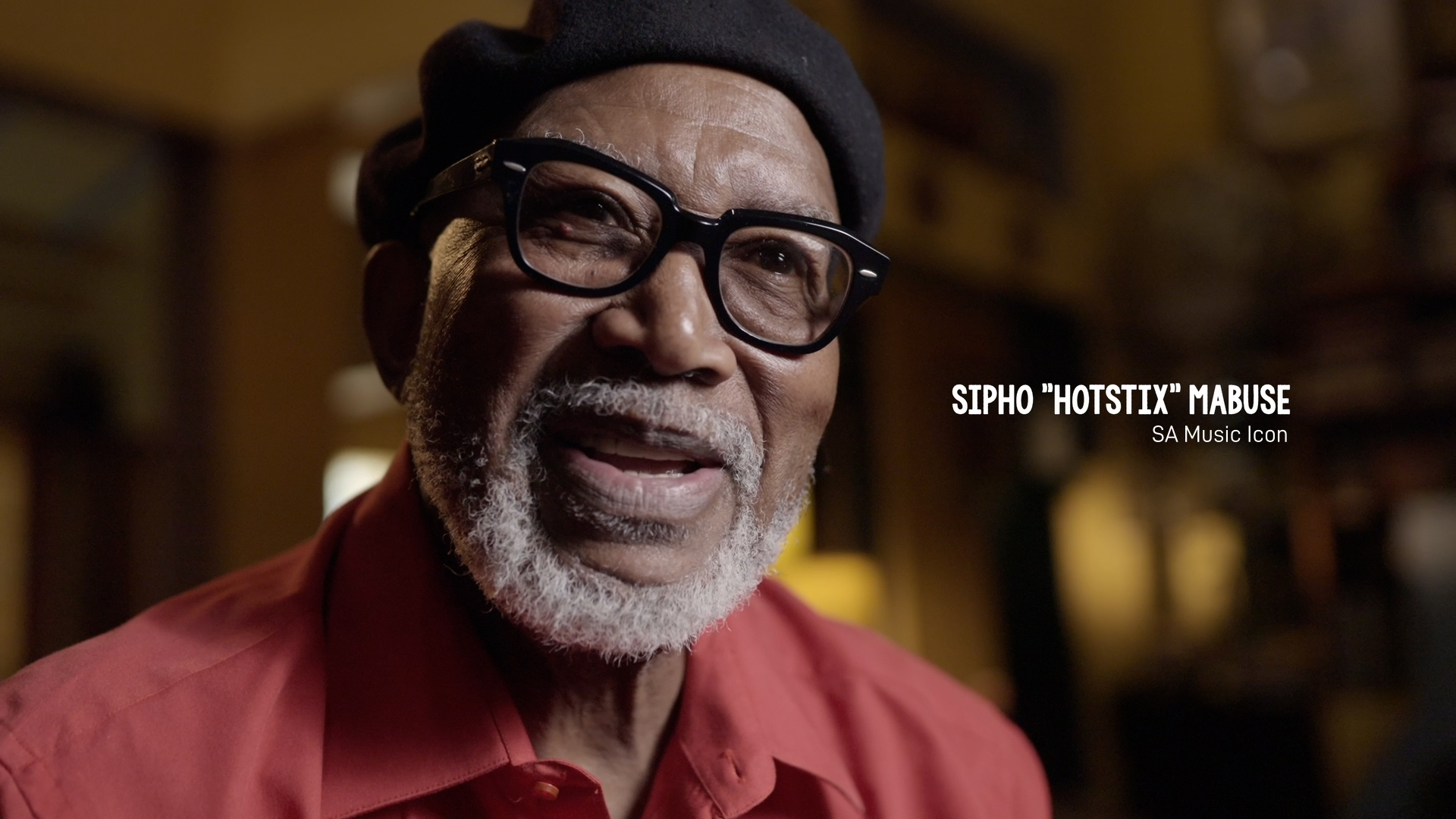
Sipho Mabuse commented “I am thrilled to have been asked to give my input and share thoughts.
Football is in our DNA and living in Soweto all my life ,I grew up with football all around me.
Kaizer Motaung and Irvin Khoza are dear friends of mine , in fact Irvin was at the same school as me Orlando West “
If you want more about Sipho Mabuse do listen to this 2 part series on Cape Talk weekly show ” The Business of Entertainment” ,where Sipho goes into lovely detail about his journey – each podcast is 30 min long and the show airs every Thursday night at 9pm
Part 1
Part 2 -with Sipho on Cape Talk – The Business of Entertainment .Goes to air every Thursday at 9pm
This is a story of South African soccer, about many of the people who shaped the game. There
are, of course, many more stories and versions of history, and this version therefore isn’t an
attempt to be definitive or all-encompassing. It can’t be: the canvas of local soccer is too vast,
overflowing with characters, goals, and glories.
SOCCER’S PATRIACH
The filmmakers have drawn on historical footage, much of it rare, and used it to weave a
sweeping story that is as compelling as it is startling. At its start, it tells the tale of James
Mpanza, arguably the patriarch of SA soccer, who established a boys’ club in Soweto in 1934,
which in turn led to the formation of Orlando Pirates three years later.
If these were among the green shoots of professional soccer as we know it, better still was the
sense of pride it instilled in black people especially. As SuperSport’s own Thomas Kwenaite, a
veteran chronicler, says, “Players knew they had to entertain us . . . for us to forget about the
harshness during the week.”
Indeed, apartheid’s degradations are a constant theme of the documentary, but as the reviled
system took hold, so did the soccer establishment, which offered hope and happiness parallel to
politics.
MOTAUNG, KHOZA TO THE FORE
Inevitably, the best, most poignant imagery is associated with the early years through the 1940s,
1950s and beyond, offering a peek into a world where people like the “Magnificent Seven”, a
particularly special group of women, George Thabe, Kaizer Motaung and Irvin Khoza all
unwittingly became architects of the vibrant game we know today.
The project is peppered with anecdotes and memories from a range of soccer personalities,
each of whom adds a layer of insight into how the Premier Soccer League was to become such
a powerful force.
There are several welcome voices that add to the heady brew, including former Santos striker
Duncan Crowie, who talks of the injustices of the ruling regime at the time, and of the decision
by some Cape clubs not to join the National Soccer League.
Popular actor Sello Maake KaNcube, who narrates the series, lends a gravitas that is due to
such a historical, important narrative.
NICKNAMES ABOUND
Happily, the uniqueness of local soccer is constantly writ large across the screen as players with
colourful nicknames like “Ace”, “Pro”, “Troublemaker” and “Roadblock” become folk heroes with
their flamboyant play, all while demonstrating the virtues of a people who had been denigrated
and denied by the government of the day.
The creation of Kaizer Chiefs in the early 1970s, by a Pirates’ stalwart in the form of Motaung no
less, gets its due treatment, so too the fairy tale of Manning Rangers’ unlikely title triumph.
Ironically, as the game emerged from the shadows, so the ruling government’s grip retreated.
SA soccer became a metaphor for a bold new age; characters emerged, and the sport became
a powerful expression of self.
Little of the local game’s history is dull. It never could be, not with the powerful figures who
abound, nor with the passionate fans who give such life to the game.
INFLUENCING FAR AND WIDE
Unsurprisingly, the filmmakers have placed a big emphasis on how local soccer seamlessly
integrated itself into the lifestyles of South Africans, influencing fashion, music, culture and
much else to become a central point of public life.
Sadly, the darkest day in SA soccer is also brought into sharp focus as the events of April 2001,
when 43 fans were crushed to death at a game at Ellis Park, are re-told. Even now, all these
years later, the visuals are chilling. It is a warts and all story, which it had to be.
More latterly, the commercial value of the local soccer machine was finally realised when the
game’s power brokers brokered a deal with SuperSport that continues to nourish local soccer.
It was about more than money, though, it was about acknowledging how a sport could claim its
place at the top table, how it could inspire, and how it could come to define a nation’s spirit.
This, finally, is the long overdue story of how soccer came to be the pulse of a nation.
Discover more from Triple M Entertainment
Subscribe to get the latest posts sent to your email.
